

Winter is one of the best times to attract birds to your yard, even though it’s often when people stop paying attention to their gardens. Food is scarce, natural water sources freeze, and shelter becomes critical. If you provide a few basics consistently, birds will find you and keep coming back all season.
This isn’t about doing more. It’s about doing the right things at the right time.
Why Birds Need Help in Winter
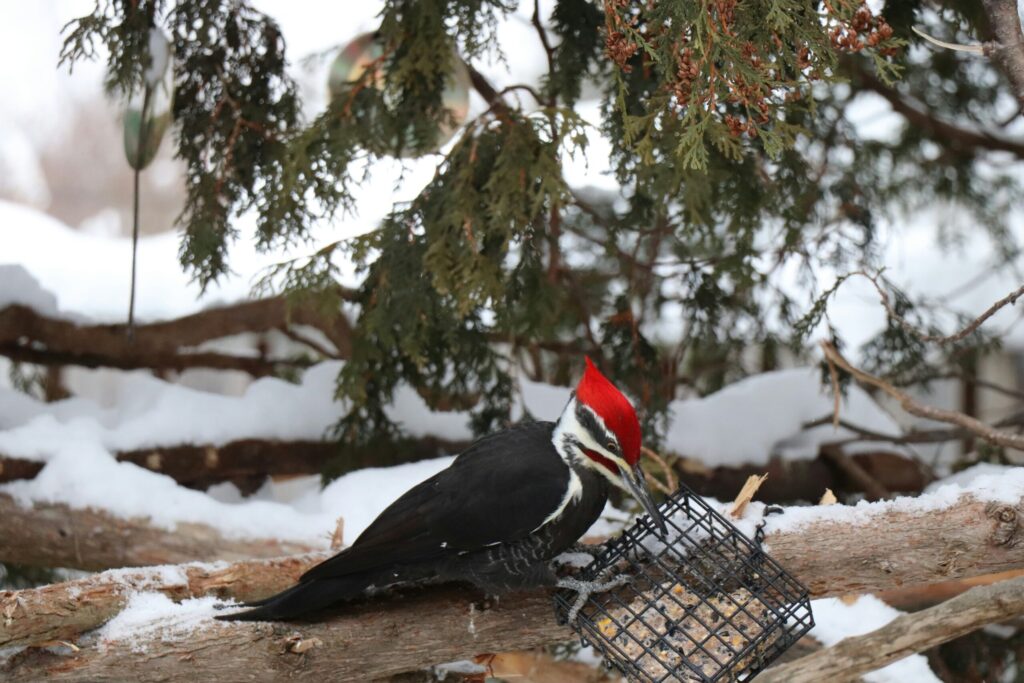
In winter, birds burn significantly more calories just to stay warm. Shorter days mean less time to forage, and snow or ice can cover natural food sources like seeds, berries, and insects. When you offer reliable food, unfrozen water, and safe shelter, your yard becomes a survival zone.
That’s why winter feeding makes a real difference. You are not interfering with nature. You’re helping birds get through the hardest part of the year.
Offer High-Energy Foods
Winter food should focus on fat and protein, not fillers.
Best winter bird foods
- Black oil sunflower seeds: High fat, thin shells, favored by many species
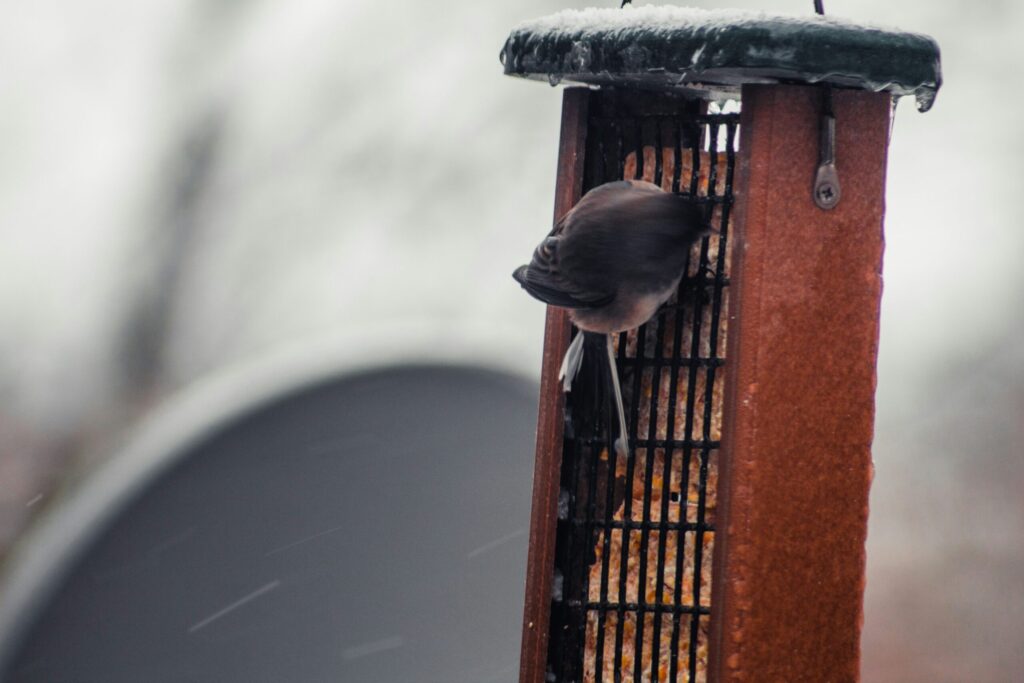
- Suet: Essential for woodpeckers, nuthatches, chickadees, and wrens
- Peanuts: Shelled or unshelled, especially for jays and woodpeckers
- Nyjer seed: Ideal for finches
- Mealworms: Dried or live, especially helpful for bluebirds
Avoid cheap seed mixes heavy in milo, wheat, or cracked corn unless you’re trying to attract ground-feeding birds like doves. Most songbirds will ignore them, and they often lead to waste and rodents.
Consistency matters more than quantity. Birds learn your feeding schedule quickly and will rely on it during cold snaps.
Provide Fresh, Unfrozen Water
Water is often harder for birds to find than food in winter.
If you do only one thing beyond feeding, make it water.
Simple winter water solutions
- Heated birdbath
- Birdbath heater added to an existing bath
- Shallow dish refreshed daily if temperatures allow
Moving water attracts birds faster, but even still water helps. Keep it shallow and clean. Birds drink and bathe year-round, even when it’s freezing.
Create Shelter From Wind and Predators
Birds don’t need fancy birdhouses in winter, but they do need protection.
Natural shelter options
- Dense shrubs and evergreen trees
- Brush piles made from fallen branches
- Tall ornamental grasses left standing
Man-made shelter
- Roosting boxes (different from nesting boxes)
- Birdhouses left up and clean for winter use
Avoid trimming everything back in fall. A slightly messy yard is safer and warmer for birds.
Place Feeders Thoughtfully
Where you put feeders matters as much as what you put in them.
- Place feeders near cover, but not so close that predators can hide
- Keep them 5 to 10 feet from shrubs or trees
- Clean feeders regularly to prevent disease, even in winter
Multiple feeder types attract more species. Tube feeders, platform feeders, and suet cages each serve different birds.
Skip the Chemicals
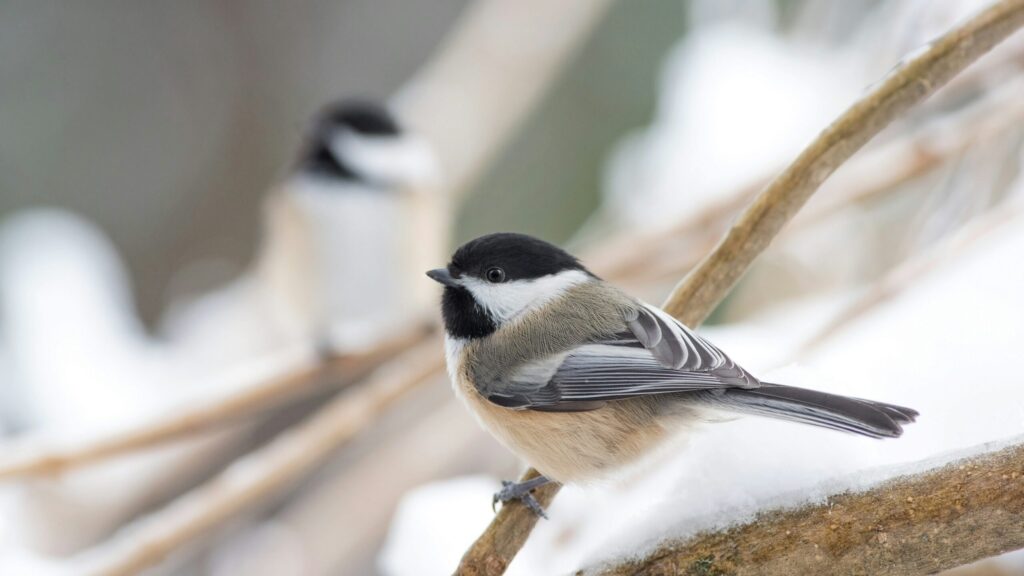
Birds rely on insects and insect eggs even in winter. Pesticides reduce those food sources and can poison birds directly.
If you want birds, accept a more natural yard. That tradeoff is worth it.
Expect Different Birds Than Summer
Winter birds may surprise you. Depending on your region, you may see:
- Juncos
- White-throated sparrows
- Goldfinches in muted colors
- Woodpeckers you rarely see in summer
Migration doesn’t mean “gone.” Many birds simply shift locations, and winter is when new visitors show up.
Start Small and Build Over Time
You don’t need ten feeders or a perfect setup. Start with:
- One quality feeder
- One reliable food
- One water source
Birds notice quickly. Once they do, your yard becomes part of their daily route.
And in winter, that can mean the difference between surviving and thriving.
Leave a Reply